Culture & Community

Weizmann Institute of Science, Max Planck Society and Institute for Advanced Study Establish New International Research Center in Berlin

The Advanced Research Consortium (ARC) will bring together leading scholars from around the world, foster collaboration across disciplines and borders, and launch a new postdoctoral fellowship program

Weizmann Institute Of Science Max Planck Society 1

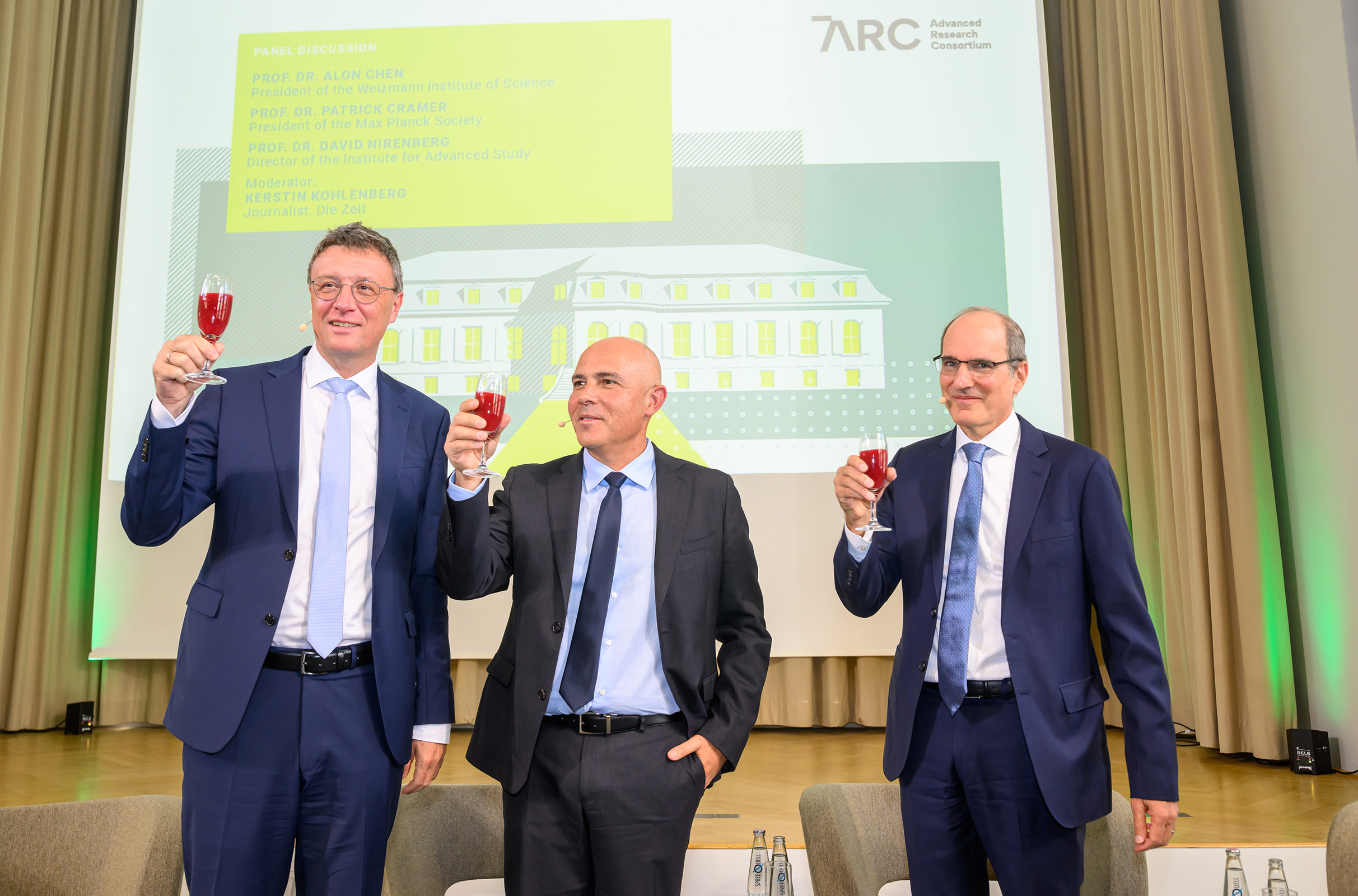
(l-r) Prof. Patrick Cramer, President of the Max Planck Society for the Advancement of Science; Prof. Alon Chen, President of the Weizmann Institute of Science; and Prof. David Nirenberg, Director of the Institute for Advanced Study, raising a toast at ARC’s opening event in Berlin. Photo: MPG/David Ausserhofer

REHOVOT, ISRAEL — October 26, 2026 —Three leading research organizations have joined forces to establish a new institution dedicated to fundamental, curiosity-driven research and scholarly collaboration across geographic and disciplinary boundaries.

The Advanced Research Consortium (ARC) will draw on the leadership, legacies and resources of its three founding partners: the Institute for Advanced Study in the United States, the Max Planck Society for the Advancement of Science in Germany and the Weizmann Institute of Science in Israel. 

The ARC research program will bring together scholars from around the world for periods ranging from a week to one year, giving them the time, space, and resources to work collaboratively on fundamental questions across the natural, exact and social sciences, as well as the humanities. ARC will reinforce existing networks and create new pathways for collaboration across disciplines and borders, providing the conditions in which new research communities and even new fields of inquiry can emerge.

“Collaboration across intellectual and geographic boundaries is essential if we are to make substantial progress on so many important and complex questions,” said Prof. Alon Chen, President of the Weizmann Institute of Science.

ARC will also establish a postdoctoral fellowship program for early-career scholars who will conduct research at two of the three founding institutions. The program will integrate the fellows into international research networks that advance their careers and strengthen the flow of talent and ideas across borders.
Weizmann Institute Of Science Max Planck Society 3

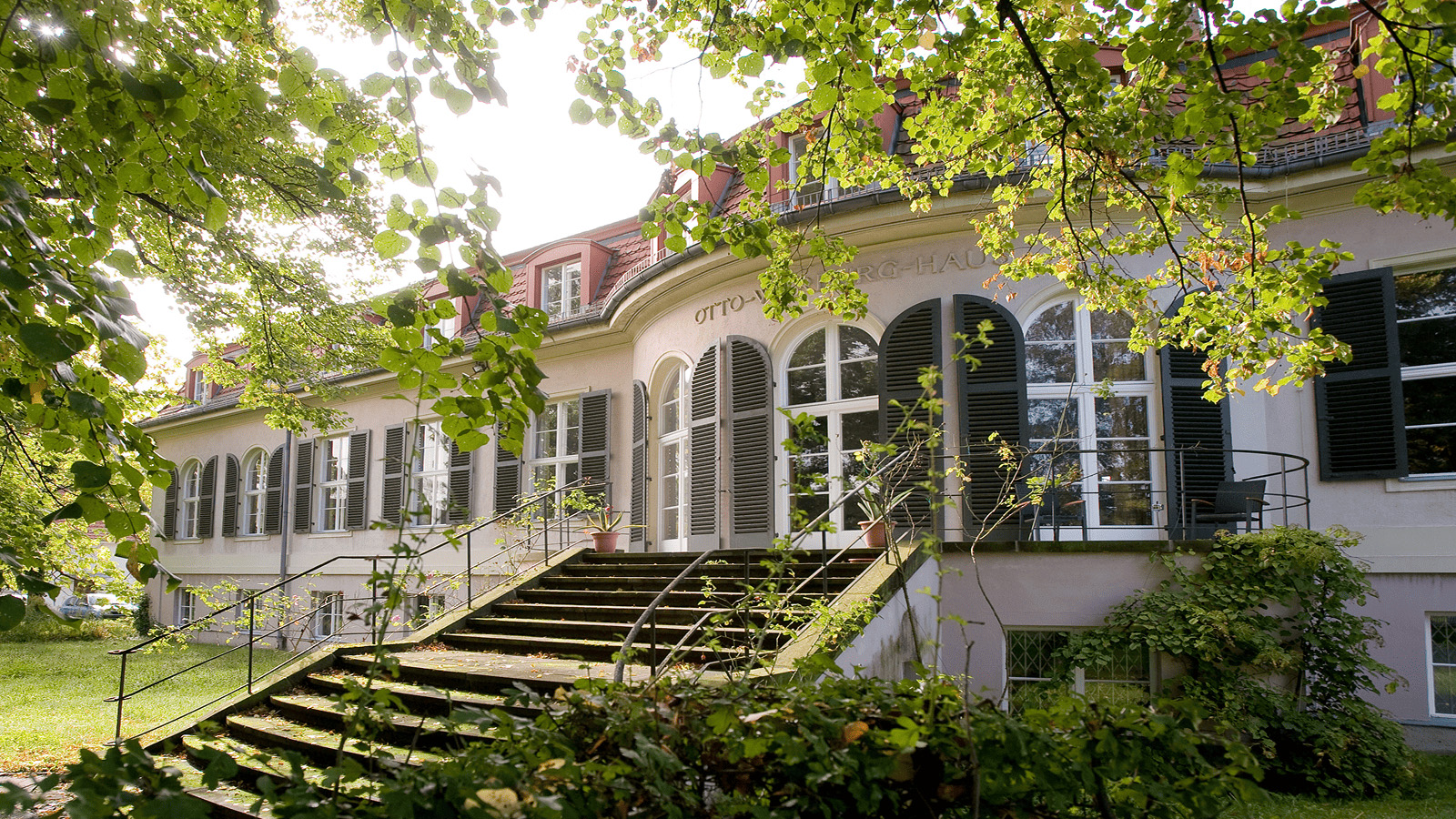
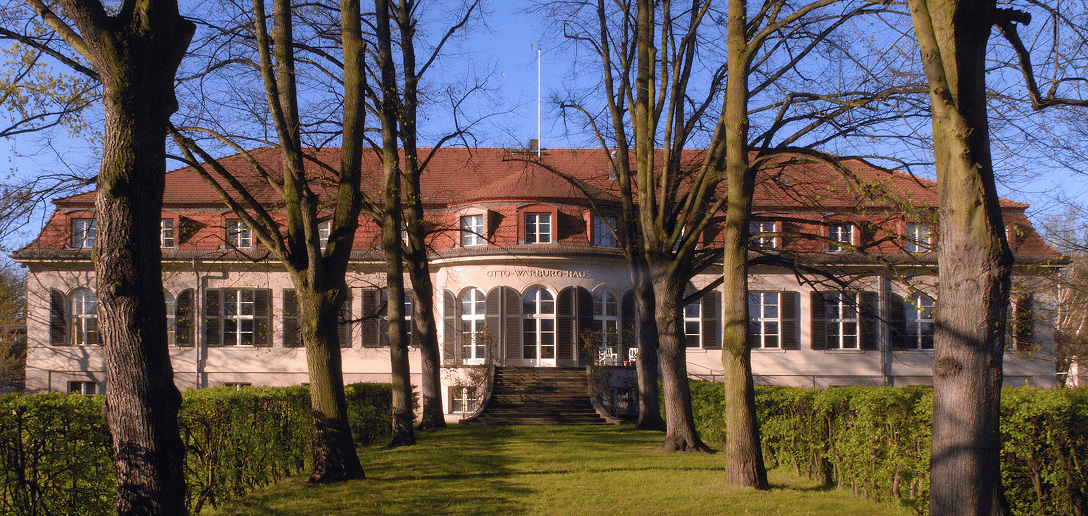
The historic Otto Warburg House in Berlin’s Dahlem neighborhood. The former research center of the 1931 Nobel laureate will now serve as the principal home for ARC’s research programs

“Collaboration across intellectual and geographic boundaries is essential if we are to make substantial progress on so many important and complex questions,” said Prof. Alon Chen, President of the Weizmann Institute of Science. “I couldn't imagine a better team of founding institutions to embark on this ambitious project. It is exciting to see what new ideas and directions will emerge in the years to come.”

“ARC will assemble the intellectual breadth required to explore questions that no single scholar, discipline or institution could readily address alone,” said Patrick Cramer, President of the Max Planck Society for the Advancement of Science. “We believe it will strengthen international networks and give rise to new research communities.” 

“At a time when geopolitical pressures can fragment the global scientific community and the value of fundamental research is increasingly questioned, ARC will affirm the importance of open, independent inquiry across borders,” said David Nirenberg, Director of the Institute for Advanced Study. “Our shared commitment to excellence in research depends on the free exchange of ideas.”

ARC takes shape

Each of the three founding partners were formed or transformed in the 1930s and 1940s in response to profound geopolitical forces and scientific developments around the world. Each has dedicated itself to the independent pursuit of knowledge at the highest level and in institutional forms distinct from governmental organizations or traditional institutions of higher learning.

Based in Dahlem, Berlin’s historic center of scientific discovery, ARC will be an independent organization governed by a directorate with faculty representatives from each of the three founding organizations. The inaugural directors are Irit Dinur (Institute for Advanced Study), Nicole Dubilier (Max Planck Society) and Ziv Reich (Weizmann Institute of Science). Rather than building a permanent faculty, ARC will continually renew its research program through the scholars and projects it brings together. 
Weizmann Institute Of Science Max Planck Society 2

The ARC will draw on the leadership, legacies and resources of its three founding partners: the Institute for Advanced Study in the United States, the Max Planck Society for the Advancement of Science in Germany and the Weizmann Institute of Science in Israel.

ARC’s Administrative Director, Alexandra Rosenbach, will oversee ARC’s operations, including the reopening of the historic Otto Warburg House, the research center of the 1931 Nobel laureate that will serve as the principal home for ARC’s research programs. 

ARC hosted an opening event in Berlin on October 22, 2026, featuring a panel discussion with Chen, Cramer and Nirenberg. The Consortium will soon announce its first call for research proposals and invite applications for its first round of postdoctoral fellowships. 

For further information, visit the ARC website.

Culture & Community

Weizmann Institute of Science, Max Planck Society and Institute for Advanced Study Establish New International Research Center in Berlin

The Advanced Research Consortium (ARC) will bring together leading scholars from around the world, foster collaboration across disciplines and borders, and launch a new postdoctoral fellowship program

TAGS: Collaborations , Community , Culture , Education , Leadership

Weizmann Institute Of Science Max Planck Society 1

(l-r) Prof. Patrick Cramer, President of the Max Planck Society for the Advancement of Science; Prof. Alon Chen, President of the Weizmann Institute of Science; and Prof. David Nirenberg, Director of the Institute for Advanced Study, raising a toast at ARC’s opening event in Berlin. Photo: MPG/David Ausserhofer

REHOVOT, ISRAEL — October 26, 2026 —Three leading research organizations have joined forces to establish a new institution dedicated to fundamental, curiosity-driven research and scholarly collaboration across geographic and disciplinary boundaries.

The Advanced Research Consortium (ARC) will draw on the leadership, legacies and resources of its three founding partners: the Institute for Advanced Study in the United States, the Max Planck Society for the Advancement of Science in Germany and the Weizmann Institute of Science in Israel. 

The ARC research program will bring together scholars from around the world for periods ranging from a week to one year, giving them the time, space, and resources to work collaboratively on fundamental questions across the natural, exact and social sciences, as well as the humanities. ARC will reinforce existing networks and create new pathways for collaboration across disciplines and borders, providing the conditions in which new research communities and even new fields of inquiry can emerge.

“Collaboration across intellectual and geographic boundaries is essential if we are to make substantial progress on so many important and complex questions,” said Prof. Alon Chen, President of the Weizmann Institute of Science.

ARC will also establish a postdoctoral fellowship program for early-career scholars who will conduct research at two of the three founding institutions. The program will integrate the fellows into international research networks that advance their careers and strengthen the flow of talent and ideas across borders.

Weizmann Institute Of Science Max Planck Society 3

The historic Otto Warburg House in Berlin’s Dahlem neighborhood. The former research center of the 1931 Nobel laureate will now serve as the principal home for ARC’s research programs

“Collaboration across intellectual and geographic boundaries is essential if we are to make substantial progress on so many important and complex questions,” said Prof. Alon Chen, President of the Weizmann Institute of Science. “I couldn't imagine a better team of founding institutions to embark on this ambitious project. It is exciting to see what new ideas and directions will emerge in the years to come.”

“ARC will assemble the intellectual breadth required to explore questions that no single scholar, discipline or institution could readily address alone,” said Patrick Cramer, President of the Max Planck Society for the Advancement of Science. “We believe it will strengthen international networks and give rise to new research communities.” 

“At a time when geopolitical pressures can fragment the global scientific community and the value of fundamental research is increasingly questioned, ARC will affirm the importance of open, independent inquiry across borders,” said David Nirenberg, Director of the Institute for Advanced Study. “Our shared commitment to excellence in research depends on the free exchange of ideas.”

ARC takes shape

Each of the three founding partners were formed or transformed in the 1930s and 1940s in response to profound geopolitical forces and scientific developments around the world. Each has dedicated itself to the independent pursuit of knowledge at the highest level and in institutional forms distinct from governmental organizations or traditional institutions of higher learning.

Based in Dahlem, Berlin’s historic center of scientific discovery, ARC will be an independent organization governed by a directorate with faculty representatives from each of the three founding organizations. The inaugural directors are Irit Dinur (Institute for Advanced Study), Nicole Dubilier (Max Planck Society) and Ziv Reich (Weizmann Institute of Science). Rather than building a permanent faculty, ARC will continually renew its research program through the scholars and projects it brings together. 

Weizmann Institute Of Science Max Planck Society 2

The ARC will draw on the leadership, legacies and resources of its three founding partners: the Institute for Advanced Study in the United States, the Max Planck Society for the Advancement of Science in Germany and the Weizmann Institute of Science in Israel.

ARC’s Administrative Director, Alexandra Rosenbach, will oversee ARC’s operations, including the reopening of the historic Otto Warburg House, the research center of the 1931 Nobel laureate that will serve as the principal home for ARC’s research programs. 

ARC hosted an opening event in Berlin on October 22, 2026, featuring a panel discussion with Chen, Cramer and Nirenberg. The Consortium will soon announce its first call for research proposals and invite applications for its first round of postdoctoral fellowships. 

For further information, visit the ARC website.