

Celebrating scientific breakthroughs and the strength of our global community.
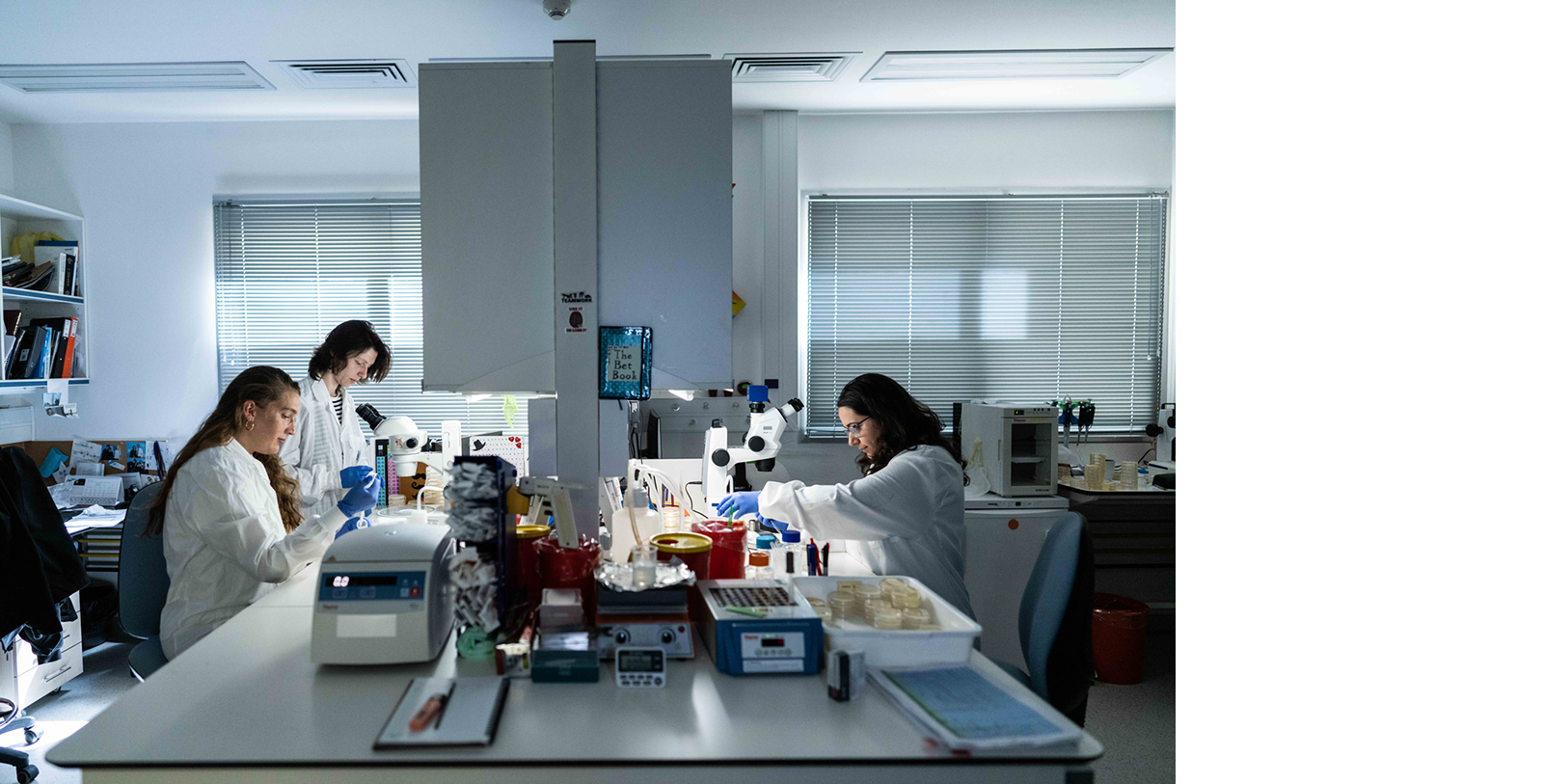
As we reflect on 2025, we are filled with gratitude for the incredible support of the Weizmann Institute of Science and the American Committee. This year was one of extraordinary innovation and profound challenges — and through it all, your generosity and solidarity have made all the difference. Thank you.
In May, we launched Empower Tomorrow, the largest fundraising campaign in Israeli academic history. This bold global initiative is about more than raising funds; it’s about shaping the future of science and investing in the brilliant minds who will drive progress for generations to come.
Just weeks after the launch, on June 15, the Weizmann Institute faced an unprecedented test when Iranian missiles struck campus. While we are deeply thankful that no lives were lost, the damage to research facilities was significant. Yet, in the face of adversity, the Weizmann community has shown remarkable resilience. Research resumed quickly, cleanup efforts are well underway, and thanks to the global outpouring of support, we are rebuilding stronger than ever.
Through it all, Weizmann science never stopped moving forward.
This past fall, the Institute welcomed the inaugural class of the Miriam and Aaron Gutwirth Medical School, Israel’s first integrated MD-PhD program. By bridging medicine and research, this pioneering school is preparing physician-scientists to transform healthcare in Israel and beyond.
And the world is taking notice: the prestigious Leiden Ranking once again placed Weizmann among the top 10 institutions globally for scientific impact — sixth in the world. This achievement reflects the brilliance of our scientists, and the unwavering commitment of friends like you.
Here is a sampling of exciting Weizmann research from 2025:
Cancer Research
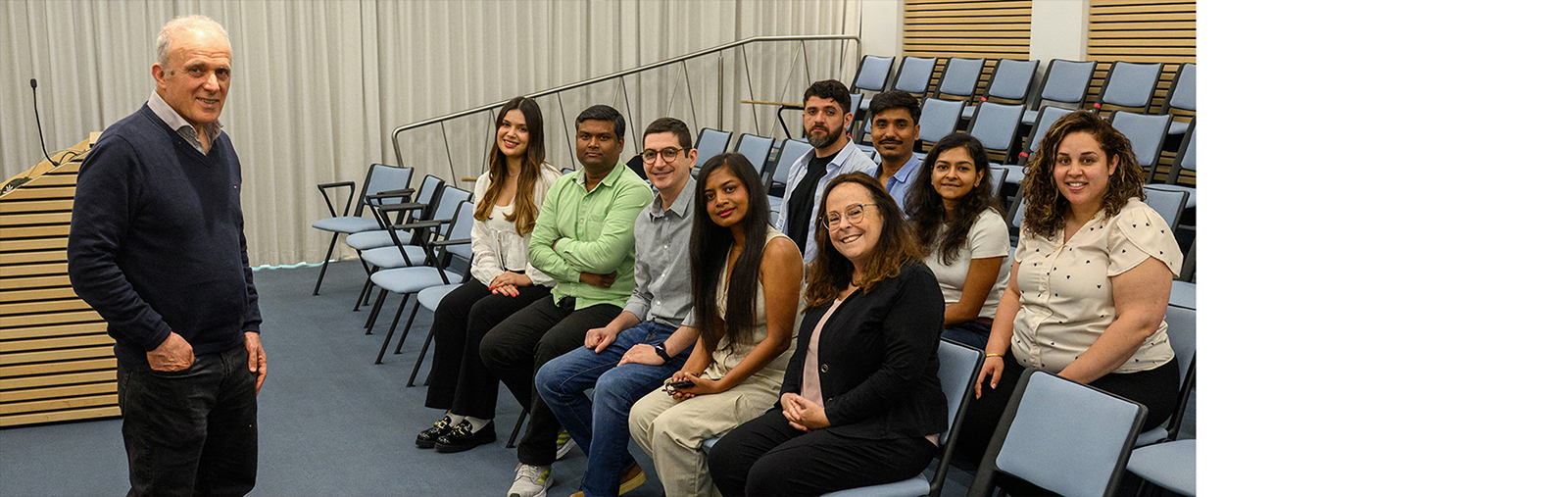
Bacteria on the Brain Prof. Ravid Straussman’s team uncovered diverse bacteria inside brain tumors — findings that could shape patient treatment and survival.
Getting Cancer to Expose Itself Prof. Yardena Samuels’ lab coaxed cancer cells to reveal themselves to the immune system, an approach that gives hope for cancer treatment.
Reprogramming Cells to Fight Cancer Prof. Ido Amit’s lab identified a gene that flips macrophages into cancer-promoting cells — and show how to switch it off.
Wake-Up Call for Dormant Cancer Prof. Yosef Yarden’s lab revealed how breast cancer lies dormant for years and what triggers it to wake up and metastasize.
Neuroscience Research
A Neural Key to Anxiety and PTSD Prof. Rony Paz and Dr. Tamar Reitich-Stolero discovered how the brain amplifies the risk of loss — insights that may explain anxiety and trauma.
Nerve Cells Learn to Grow Prof. Michael Fainzilber’s lab revealed that hundreds of molecules spur nerve regeneration in mice — and may even promote growth in brain neurons.
Rare Diseases Research
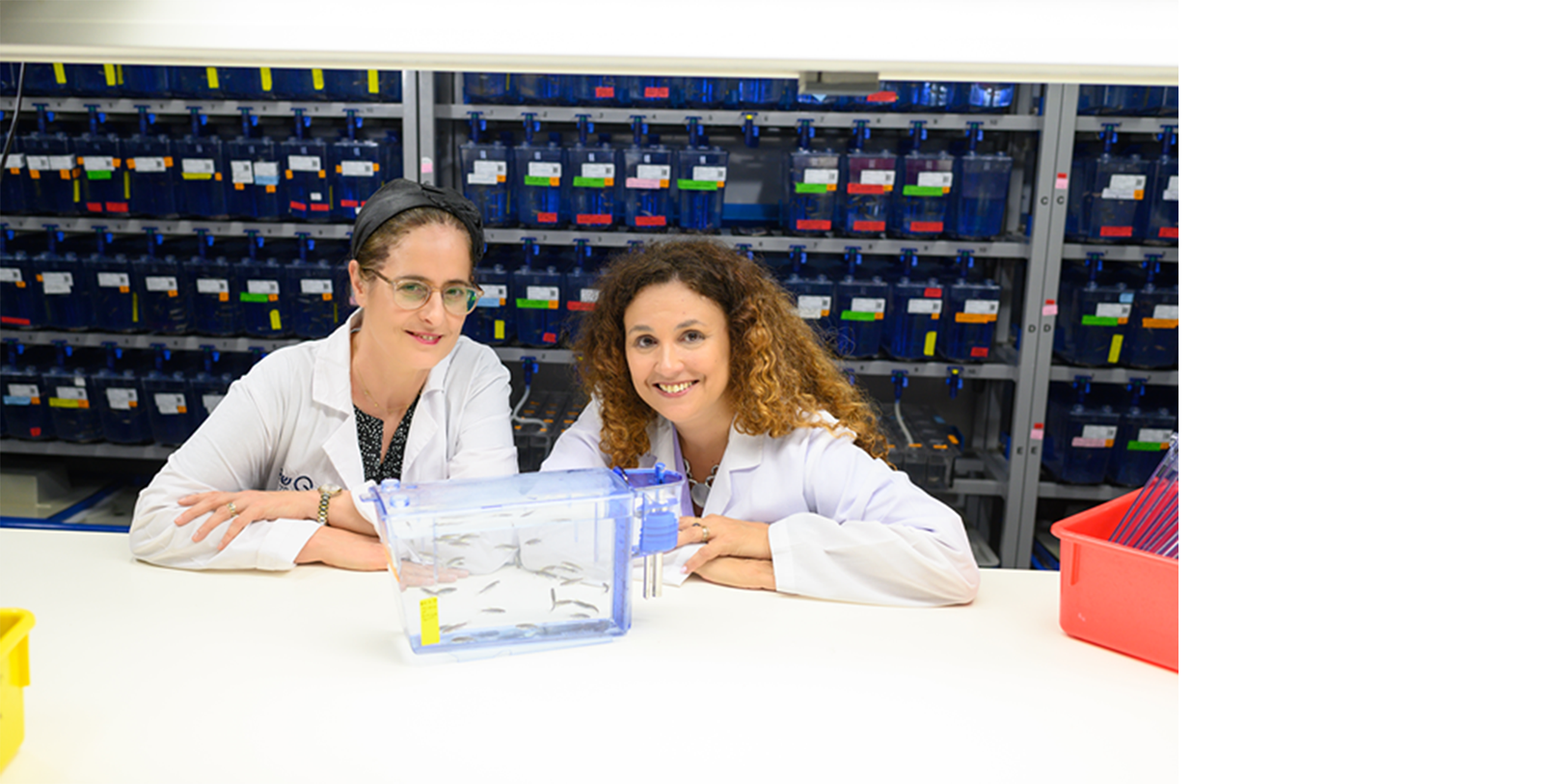
Fishing for a Drug: Study Brings Hope for Treating a Rare Disease Using transparent zebrafish embryos, Prof. Karina Yaniv’s lab decoded a severe lymphatic disorder and pinpointed a potential treatment.
The Short and Long of Protein Tails Dr. Nir Fluman's lab identified thousands of proteins that can’t function without their tails, which can trigger rare genetic diseases. These insights may reveal new treatments.
Discovering a Rare Genetic Disorder Sparked by mysterious symptoms in a young girl in Dallas, Prof. Igor Ulitsky was part of a global collaboration that found a rare disorder caused by a missing gene.
Research in Other Areas of Health and Medicine
A Broken Heart: Two Types of Scars, Two Paths to Healing Profs. Eldad Tzahor and Uri Alon uncovered two distinct forms of heart scarring —“hot” and “cold”— highlighting the need for tailored treatments based on scar type.
We Know What You Ate: Mapping Protein Activity to Assess Gut Health Prof. Eran Elinav’s research introduced a groundbreaking method to decode intestinal proteins, paving the way for better diet analysis, disease diagnosis, and personalized treatment.
A New Blood Test May Detect Leukemia Risk and Replace Bone Marrow Sampling Profs. Liran Shlush and Amos Tanay published a study expected to advance the field of blood cell medicine.
Food: Friend, Not Foe – New Study Explains Why Dr. Ranit Kedmi’s team revealed the cellular network behind oral tolerance, the immune mechanism that enables us to eat food safely, offering clues to food allergies, sensitivities, and celiac disease.
Going to the Ends of the Earth to Better Understand the Brain Prof. Nachum Ulanovsky and his team traveled to a desert island to record the brain activity of mammals in the wild and study how their neuronal “compass” guides navigation.
New Immune Mechanism Revealed in the Cellular Trash Prof. Yifat Merbl’s lab uncovered a surprising immune mechanism: peptides generated during protein breakdown can kill bacteria — offering fresh hope against antibiotic resistance.
Accelerating Research with AI
Meet Your Digital Twin Prof. Eran Segal’s team developed a personalized AI “digital twin” that predicts health trajectories and treatment outcomes.
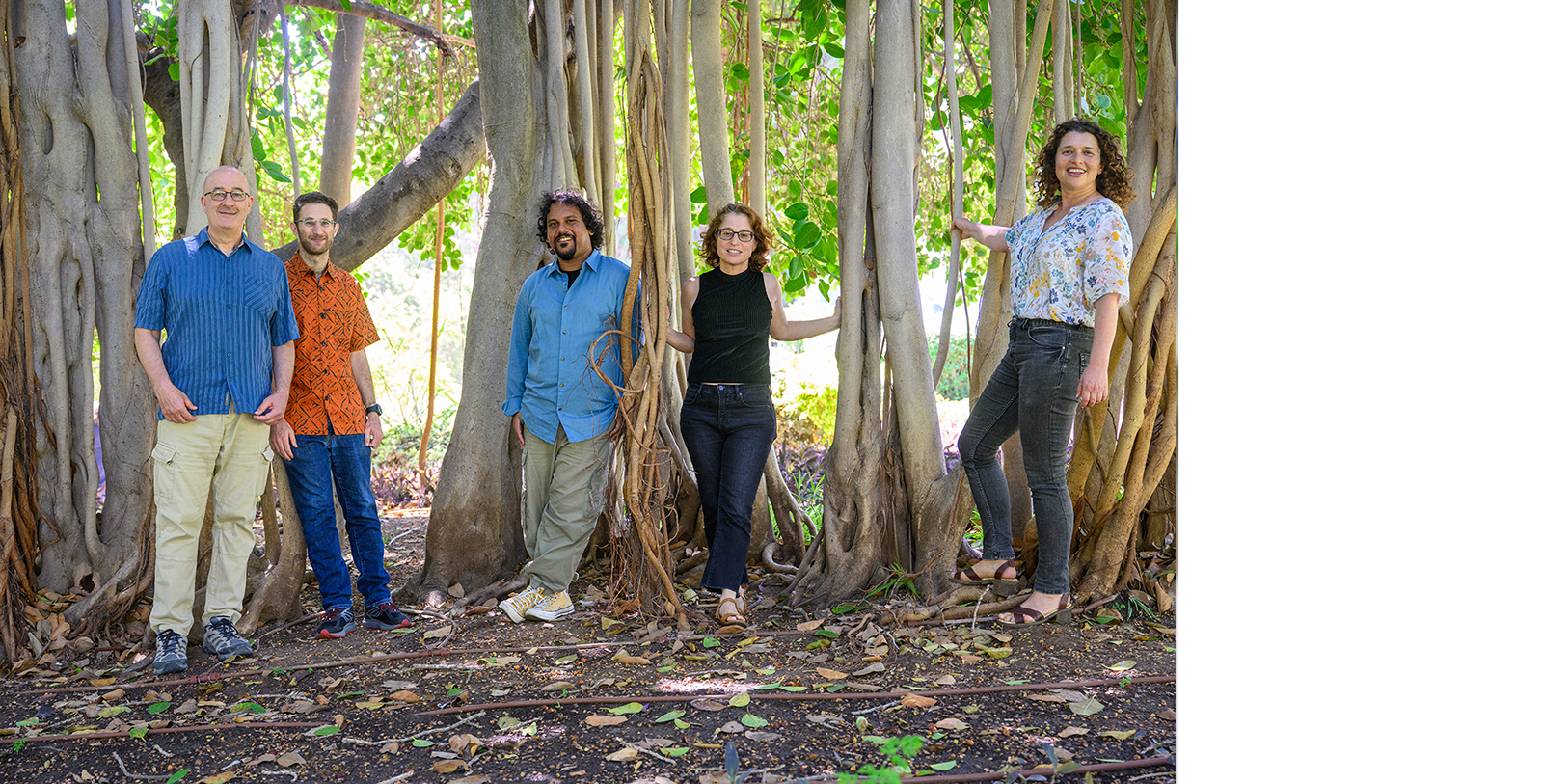
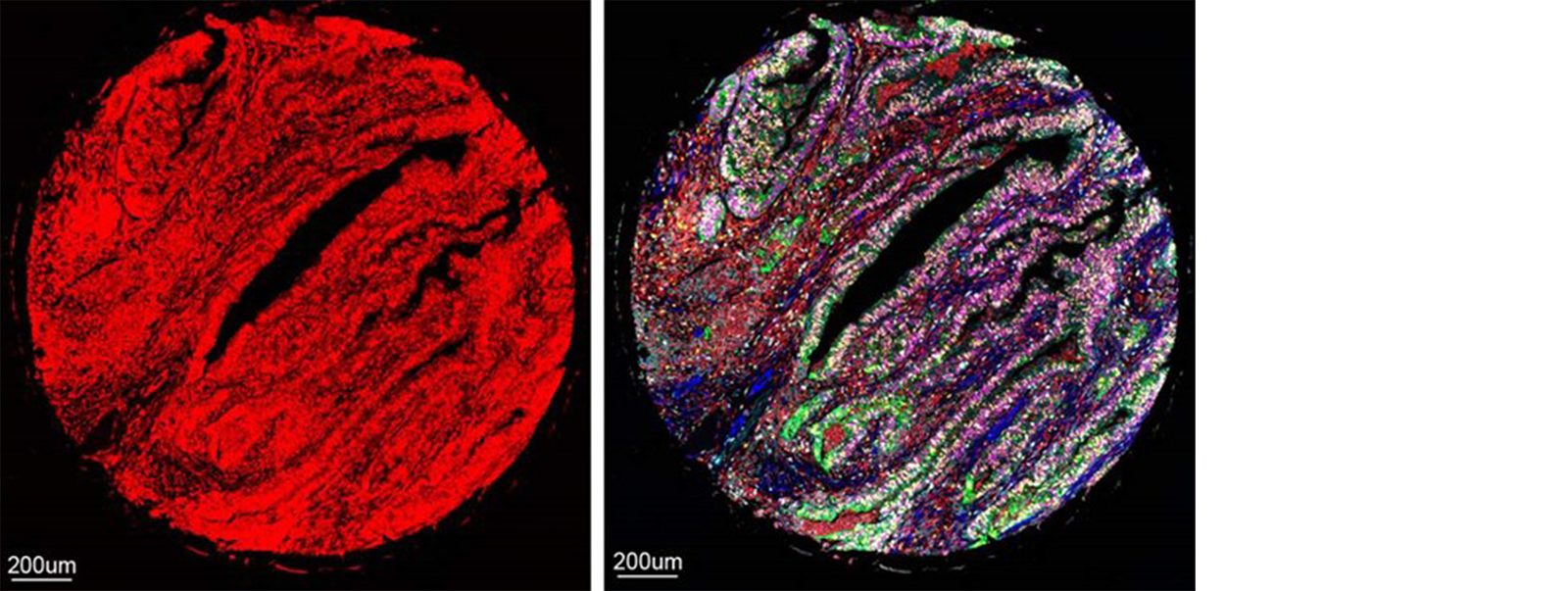
Multiple Proteins Viewed as Never Before Dr. Leeat Keren and her team created an AI-based method that dramatically expands the number of proteins visible in tissue samples, expanding our understanding of cellular composition and disease processes.
Technology and Innovation Research
MRI Gets a Nano-Sized Upgrade Dr. Amit Finkler and his team invented a nano-MRI device that achieves one-nanometer resolution, enabling unprecedented molecular imaging for research, materials science, and new medications.
Radar Knows Best: Remote Health Monitoring Prof. Yonina Eldar and her team developed a radar-based system that tracks vital signs without contact — reducing infection risk, eliminating discomfort, and enabling doctors to monitor multiple patients simultaneously. This could transform care in ICUs, elder homes, and beyond.
Environmental Sustainability Research
Humanity Rises as Wildlife Recedes Prof. Ron Milo’s team revealed that humans move 40 times more than all wild land animals combined, while livestock biomass has surged 400% as wild mammals declined by 70%; a stark measure of our impact on ecosystems.
Building Better Batteries for a Better Tomorrow Prof. Michal Leskes and her team established a key step toward safer, longer-lasting batteries that can power next-generation devices.
The Hidden Waters That Shape the Ocean — and the Climate Dr. Yael Kiro uncovered a significant influence on ocean chemistry and climate, with global implications for carbon capture and freshwater resources.
Astrophysics Research
Giant Star Reveals Birthplace of Silicon and Sulfur Prof. Avishay Gal-Yam and his team discovered a new type of supernova that exposes deep stellar layers rich in silicon and sulfur, offering new insights into how massive stars forge the building blocks of life.
Gratitude and Looking Ahead
As we close this chapter and look toward 2026, we do so with profound gratitude. Your support enables Weizmann scientists to push boundaries, rebuild stronger, and pursue discoveries that will shape a better world. Together, we are laying the foundation for breakthroughs that will impact humanity for generations to come.
Thank you for standing with us — in moments of triumph and in times of challenge. From all of us at the American Committee and the Weizmann Institute family, we wish you a happy, healthy new year.