

New research from the Weizmann Institute of Science reveals a troubling gap in how climate models predict real-world change. Scientists have found that winter storm tracks over the North Pacific are shifting northward toward the Arctic much faster than current climate models anticipate—with serious consequences for North America.
These storm systems normally help regulate climate by moving heat and moisture from warmer regions toward the pole. As they shift north, Alaska is receiving more heat and moisture—accelerating glacier melt—while the southwestern United States is losing this natural “ventilation,” contributing to record-breaking heat, drought, and wildfire risk in states like California and Nevada.
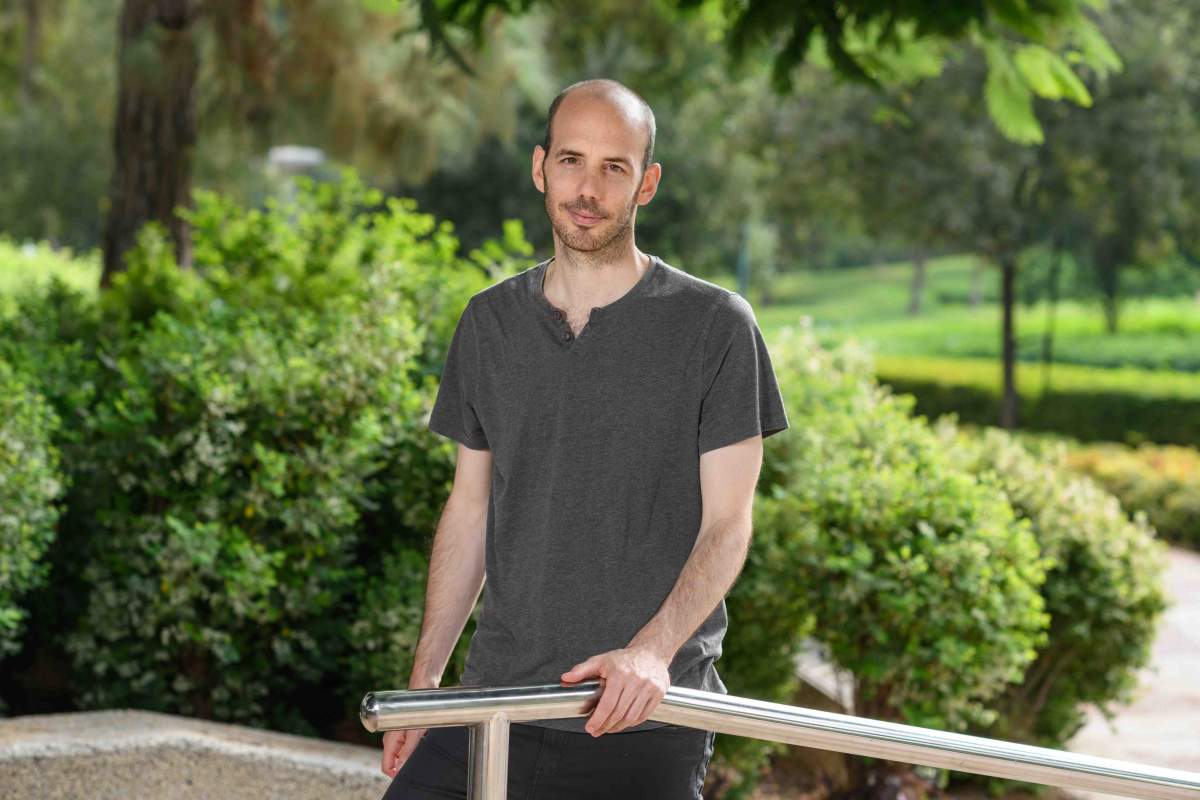
The study, published in Nature by Dr. Rei Chemke of the Weizmann Institute and Dr. Janni Yuval of Google Research, used long-term sea-level pressure data to show that this shift is not part of natural climate variability, but a clear signal of human-driven climate change.
Perhaps most alarming is the implication: if climate models are failing to capture changes already underway, future impacts may be more severe and arrive sooner than expected. The findings highlight an urgent need to improve climate modeling—because accurate predictions are essential for preparedness, policy, and protecting vulnerable regions. Read more here.